
Your cart
There are no more items in your cart


That familiar unpleasant pain and stiffness in your muscles after physical effort is a sign that your muscles have been worked hard. Maybe you had a tough workout, went hiking after a long time, or simply overdid it with exercise. In this article, we’ll show you how to deal with muscle soreness so you feel better after training and recovery happens faster.
What is muscle soreness and why does it happen
Muscle soreness is the body’s response to micro-tears in muscle fibers that occur under load. Your body then repairs and strengthens them, so soreness is paradoxically a sign that your muscles are “working.” It usually appears 24–48 hours after exercise and lasts on average 2 to 3 days. After heavy strain, it can extend to 4–5 days.
- Onset: Soreness often occurs 24 to 48 hours after training.
- Duration: Usually 2–3 days; with mild intensity less; with heavy strain it may persist up to 5 days.
- Why: During this time, the body repairs damaged muscle fibers and strengthens them.
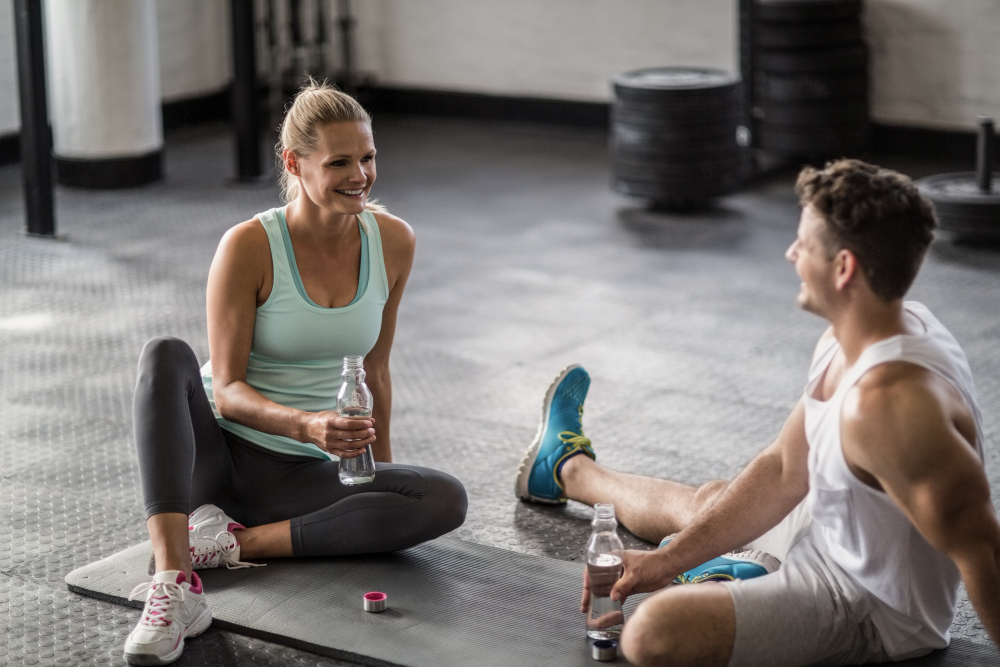
How long does muscle soreness last
- Mild soreness – 1 to 2 days
- Moderate soreness – 2 to 3 days
- Severe soreness – 4 to 5 days
If the pain lasts longer than a week or is very intense, it may be overuse or an injury – in that case, it’s better to rest longer and, if needed, see a professional.
What helps with muscle soreness – proven methods
Fortunately, there are many proven ways to reduce muscle soreness, relax stiff muscles, and speed up recovery. With these, you’ll learn how to ease soreness and feel light and fresh again after a demanding day.
1. Sauna for muscle soreness – why heat helps
Heat is one of the best helpers when you’re wondering how to handle muscle soreness. Time in the sauna relaxes stiff muscles, improves blood circulation, and speeds up recovery. A bonus is mental relaxation – after a tough day you feel lighter physically and mentally.
According to a study, a 30-minute stay in an infrared sauna reduces post-workout muscle pain and supports recovery, with better test results especially in men. Infrared sauna therefore demonstrably helps muscles and nerves recover faster after exercise, which goes hand in hand with easing soreness.
To make sauna time even more pleasant and boost recovery, try essential oils, peelings, or various wraps that support detox and regeneration.
2. Home massage – a muscle-soreness cream as a home lifesaver
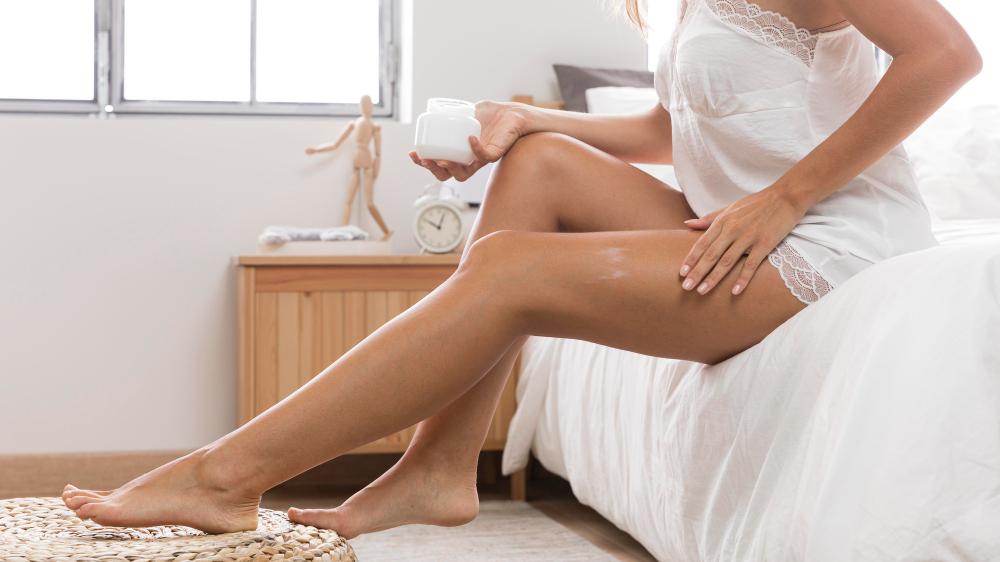
Massage is an ideal way to ease soreness. A few minutes of gentle circular movements improve circulation, release tension, and speed up the removal of waste products. If you want a more professional feel at home, reach for a quality cream or a massage oil.
A great helper is the Verana Recovery sports massage cream. It contains arnica, aloe vera, chamomile, and essential oils of mint and grapefruit. This combination has anti-inflammatory effects, приятно cools, and supports muscle recovery. It’s suitable after sports, hiking, or even after long hours of sitting at work when you feel muscle tension.
3. Hot bath
A warm bath is one of the most pleasant ways to relieve tired muscles. Heat naturally dilates blood vessels, improving circulation and accelerating recovery. If you add relaxing essences—such as lavender or rosemary—the effect is even stronger, because essential oils affect not only muscles but also mental well-being.
Peelings are also an excellent choice: they gently massage the skin during the bath and support detoxification. After the bath, treat your skin with a body cream that restores hydration and has mild anti-inflammatory effects. The combination of warm water, herbs, and cosmetics not only eases soreness but also brings well-deserved rest after a demanding day.
4. Alternating heat and cold
If you’re asking what works best for muscle soreness, experts recommend alternating heat and cold, gentle movement, and topical creams that accelerate recovery. A great option is a contrast shower—alternating warm and cold water. This simple trick is used by professional athletes because it combines two key effects: heat helps relax stiff muscles and dilate blood vessels, while cold reduces inflammation, swelling, and supports faster recovery of micro-damaged fibers.
5. Gentle movement
Even though soreness may make you feel like staying in bed all day, light activity has a huge benefit. Complete rest can make muscles even stiffer and prolong the pain. In contrast, a light walk, gentle yoga, Pilates, or simple stretching supports blood circulation and the delivery of nutrients to muscles, speeding up recovery.
Another great tip is a short bike ride with low resistance or swimming in warmer water, which doesn’t stress the joints but still mobilizes the whole body. Gentle movement acts like a natural remedy—it reduces pain, shortens the duration of soreness, and helps you return to full performance faster.
6. Sleep
There’s no miracle cure for muscle soreness—the foundation is giving your body enough time to recover. The most important regeneration processes happen during sleep: muscle fibers repair, energy stores are restored, and the body produces growth hormone that supports tissue healing. High-quality, sufficiently long sleep is therefore one of the most effective “medicines” for soreness.
If you sleep too little or restlessly, muscles don’t have time to recover and pain can persist longer. A short afternoon nap, relaxation techniques before bed, or calming scents such as lavender oil in a diffuser can help. Remember: while gentle movement supports recovery, it’s just as important to give your body moments of calm so it can fully heal.

7. Hydration
Getting enough fluids is essential when you have muscle soreness. Water supports the natural recovery process by helping flush out waste products that accumulate in muscles during exertion. It also reduces the risk of cramps and improves the elasticity of muscle fibers.
Ideally, drink plain water, but mineral waters rich in magnesium and potassium can also be beneficial as they replenish electrolytes lost through sweating. Herbal teas are another great choice—such as mint, ginger, or chamomile—because they have anti-inflammatory and relaxing effects. Regular hydration significantly helps soreness fade faster and makes the body feel lighter and fresher.
8. Analgesics and topical pain-relief creams
If soreness is really strong, you can use short-term solutions that bring relief. Common painkillers in tablet form can reduce pain and improve comfort, but often even more effective are topical creams and gels that act directly where the problem is.
A favorite among athletes is the Namman Muay Active roll-on. This Thai cream has a warming–cooling effect, relaxes stiff muscles, and helps with pain after physical effort. Topical application has a big advantage—it works quickly, precisely, and doesn’t burden the whole body like tablets do.
We hope this helped—and from today you’ll know exactly how to ease muscle soreness. With proper recovery, it doesn’t have to be a source of unpleasant suffering, but rather a reminder that you’ve done something good for your body.